
The Haleri kings begin more than two hundred years of rule over Kodagu.
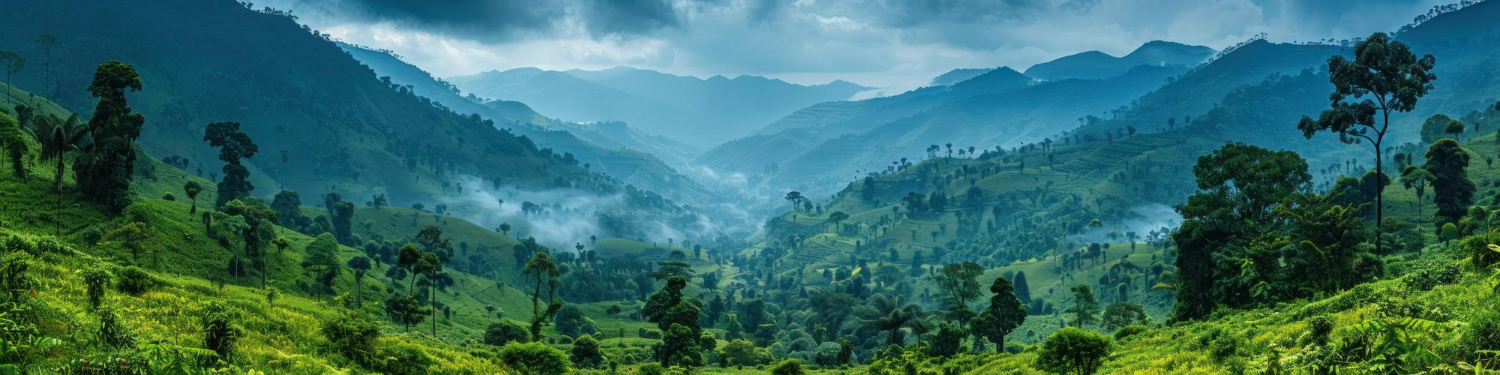
Know South Coorg · Ammathi
Where Kodagu meets Malabar
Samarasa means harmony: parts held in equal balance. We didn't have to invent it. In Ammathi, it was here long before us.
ಅಮ್ಮತ್ತಿ · Ammathi · Kodagu, Karnataka
Begin the storyThe village
Ammathi, in South Coorg
Most people picture Coorg from Madikeri: misty viewpoints, cool hilltops, the drive from Mysuru. South Coorg is a quieter story. Here the land leans south and west, towards Kerala.
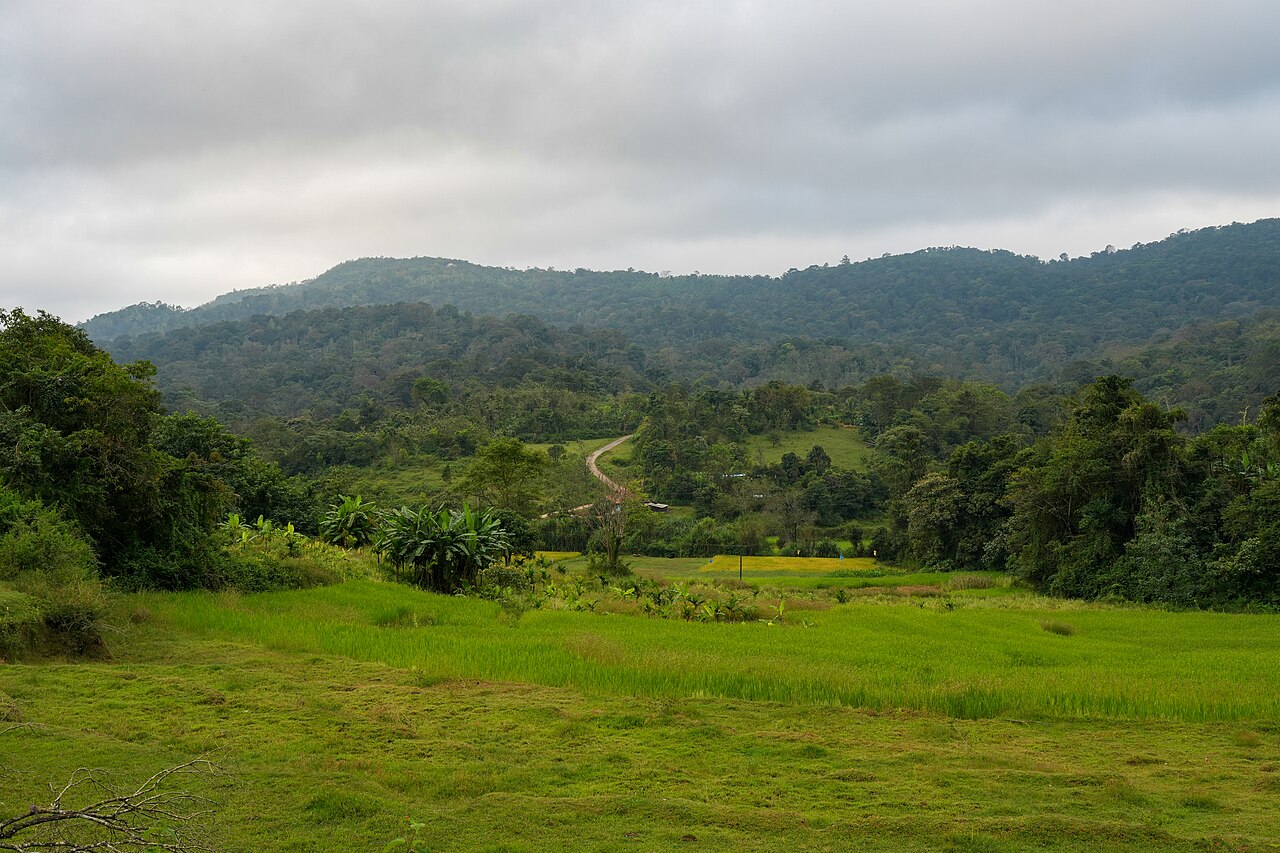
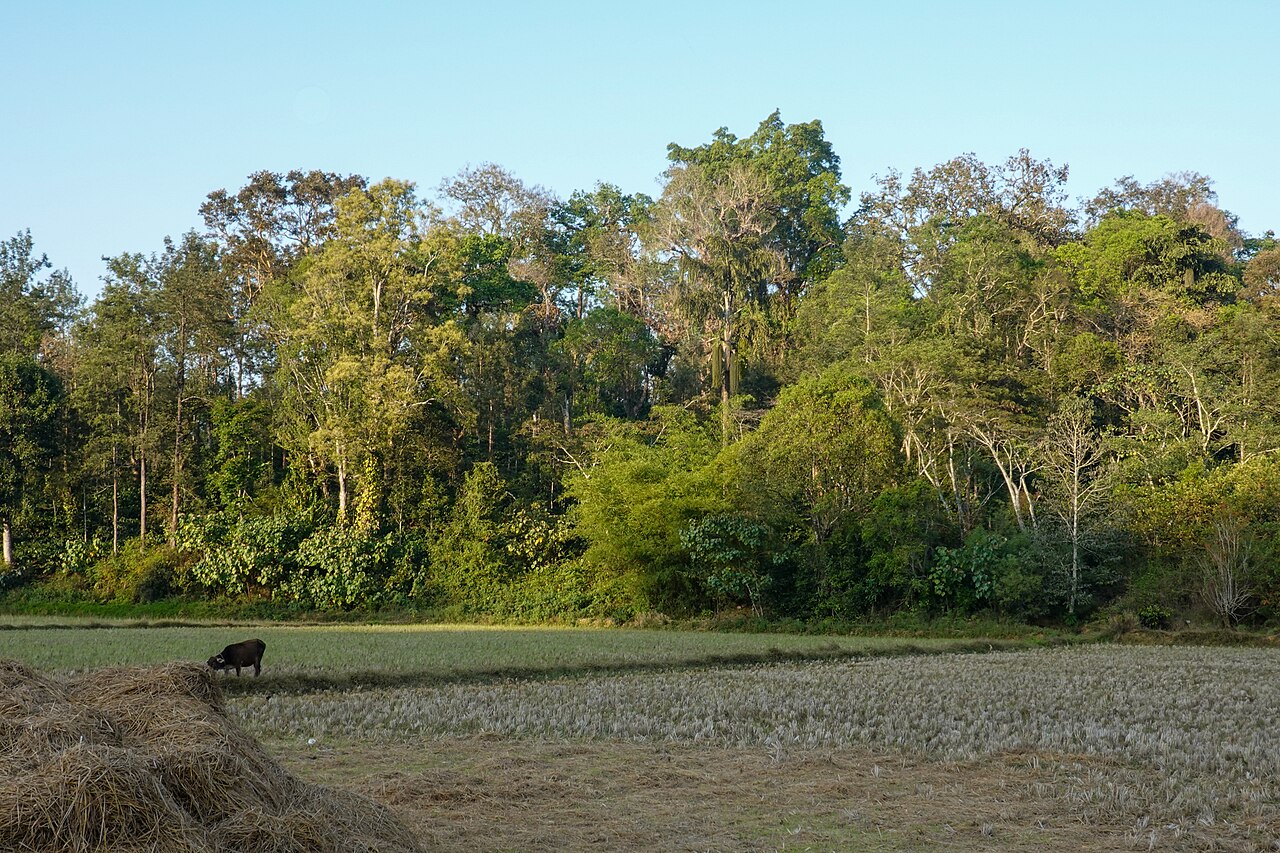
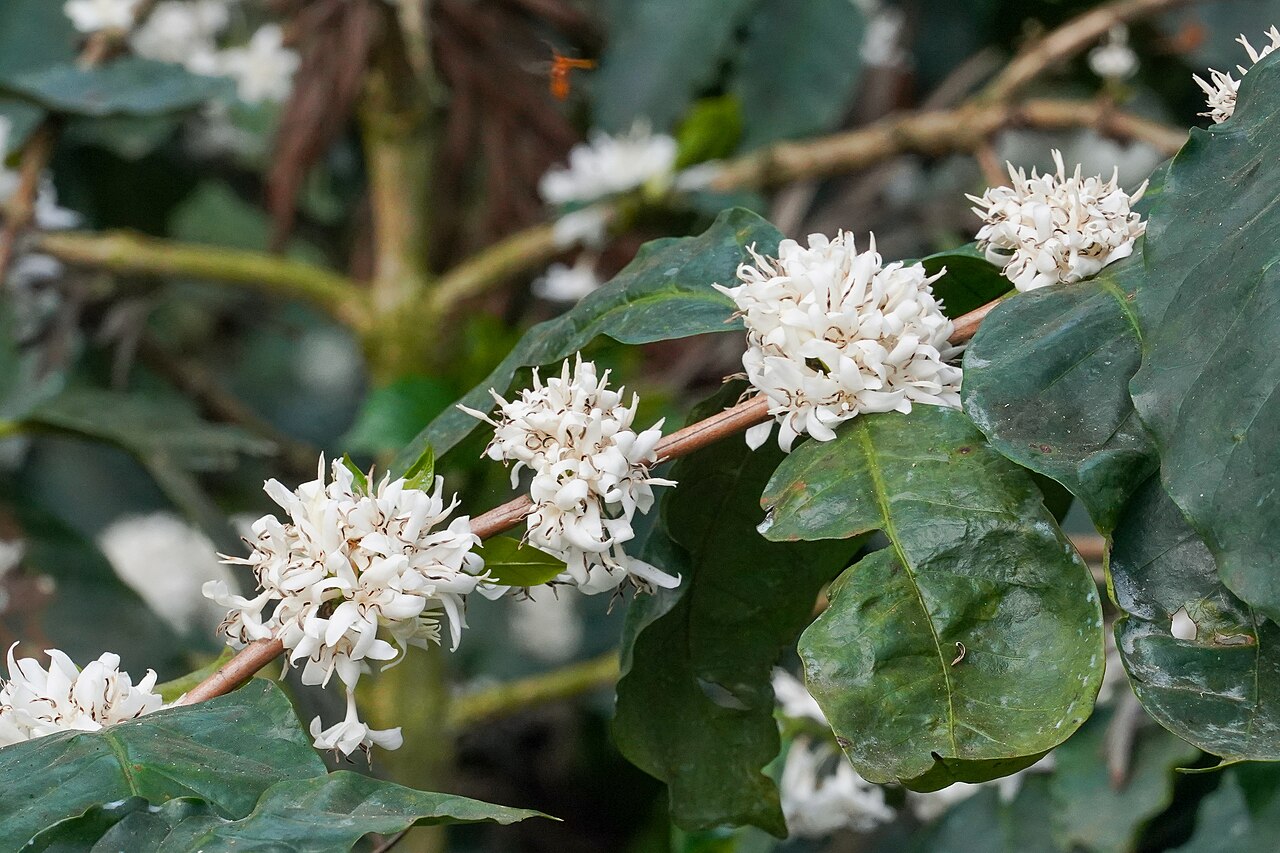
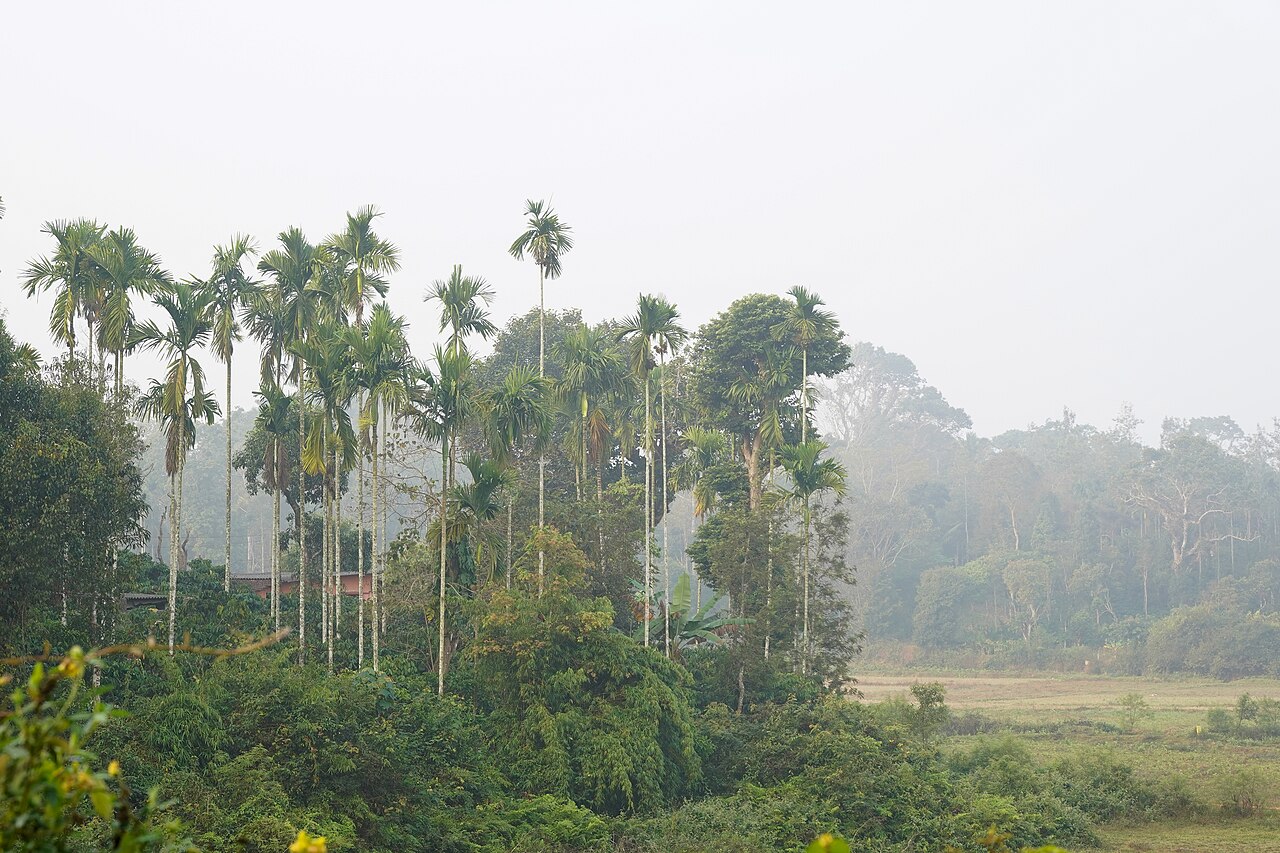
Ammathi sits among coffee estates on the road between Virajpet and Siddapur. It is a working village of tiled roofs, jeeps loaded at the junction and estate roads running off into the shade trees. For centuries, these hills have looked both ways. Kodava to the east and north, Malabar to the west and south. What grew in between is its own place.
9.6 kmto Virajpet by road
32 kmto Madikeri
67 kmto Kannur airport, in Kerala
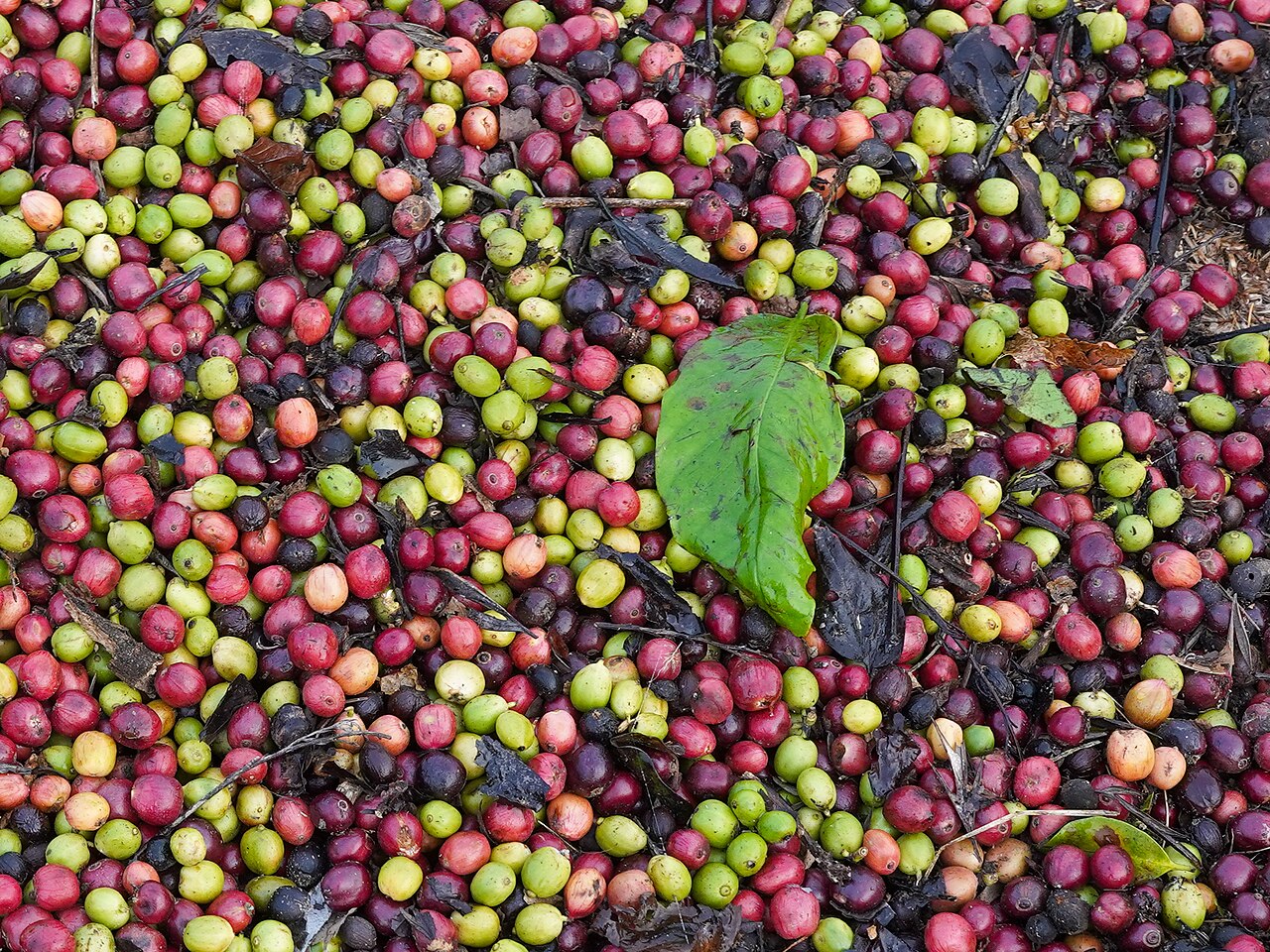
Coffee on the slopes, paddy in the valleys, and the Kerala border just over the hills.
The map
Between two coasts
Ammathi is closer to an airport in Kerala than to Mysuru. Tap a place to see how it is tied to the village.
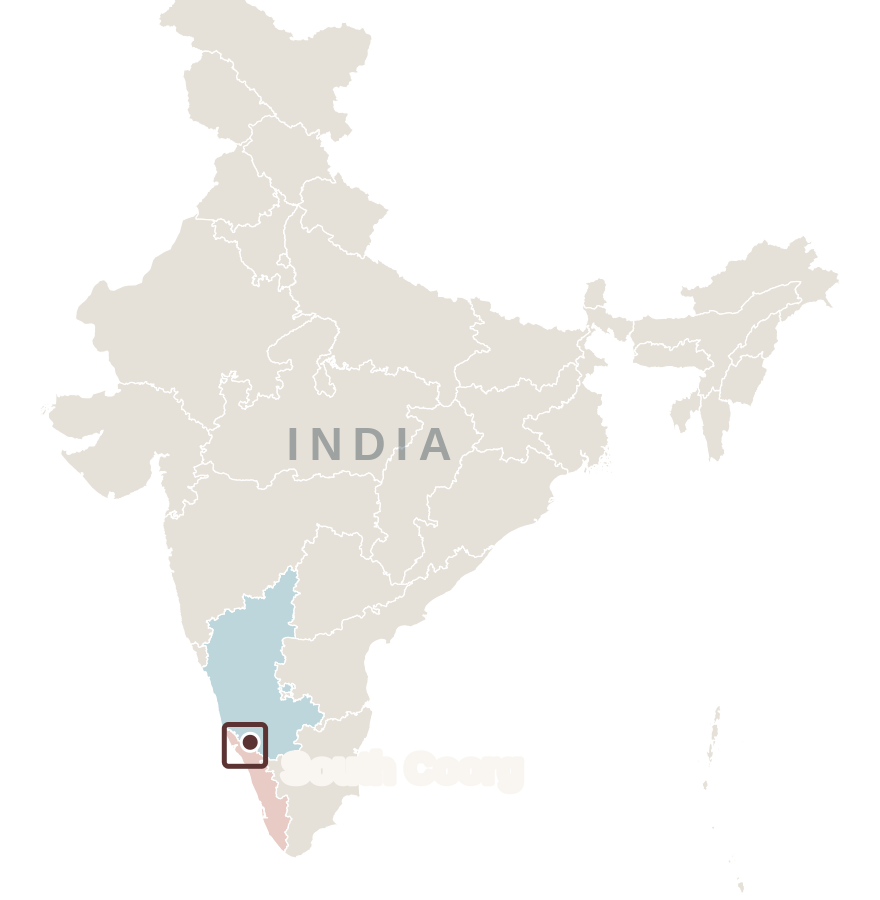
District boundaries from OpenStreetMap contributors; India outline from simplemaps.com. Places at their approximate positions; distances are by road from the resort.
Kodagu
Virajpet
9.6 km by road from the resort
The market town Dodda Virarajendra founded in the late 1700s and named after himself. The road to Kerala begins here.
Four hundred years
A kingdom with a road to the sea
Dodda Virarajendra founds a town and gives it his name: Virarajendrapete. Today it is Virajpet, about 10 km from Ammathi.
From Virajpet a road climbs west over the Makutta ghat to Kannur and Thalassery. Mappila merchants from Malabar came along it and settled in Virajpet. Many stayed, and some Kodava Maaple families married into Malabar families.
Chikka Virarajendra, the last Haleri king, is deposed, and Kodagu passes to British rule.
Coffee estates open across Kodagu. They draw people from Malabar and Wayanad, Tulu Nadu, Tamil Nadu and beyond, and each family brings its words, food and festivals.
Coorg becomes a district of Mysore State, today's Karnataka.
The census records 51 mother tongues in Kodagu district.
How Ammathi talks
Three languages before breakfast
Most people here speak three languages or more, and many add Hindi and English as well. A shopkeeper in Virajpet might greet you in one, settle the bill in another and give you directions in a third. Nobody here thinks this is remarkable.
51mother tongues recorded in Kodagu district, census of 2011
The language of Kodagu
Kodava
Kodava takk is Kodagu's own language, spoken by the Kodavas and by many other communities in the district. It is usually written in the Kannada script. The 2011 census counted over a lakh speakers, and it is listed as an endangered language.
Many faiths
One village, many prayers
In Ammathi, a church, a temple and a mosque stand in the same small town, and the families who pray in them are neighbours, colleagues and friends. Kodava families keep their own village temples too, and their festivals bring everyone out onto the road. Harmony here is simply how the town lives.
The year in South Coorg
Choose a month
Rain, rice, coffee and festivals set the calendar here. Dates move a little each year; ask us what falls during your stay.
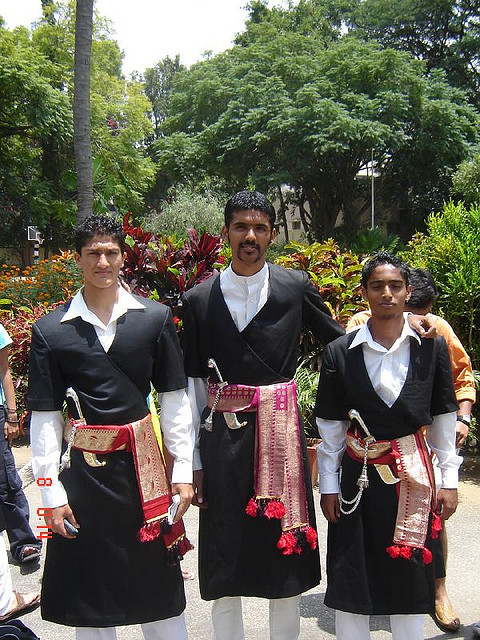
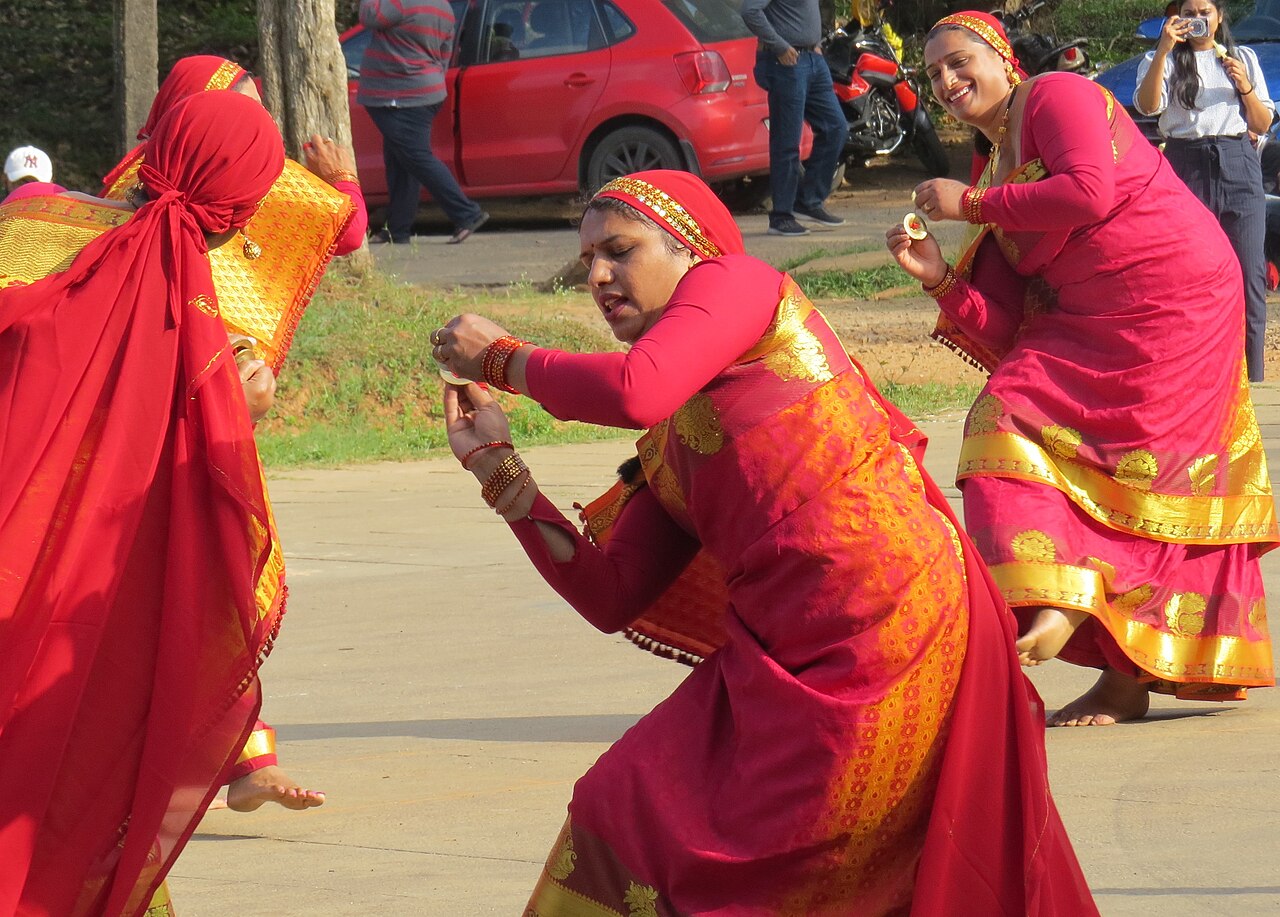
Kodava women dance Ummathaat at Madikeri Fort after Puthari, 2018. Photo: Jagath Ponnanna PM · CC BY-SA 4.0 · Wikimedia Commons
November
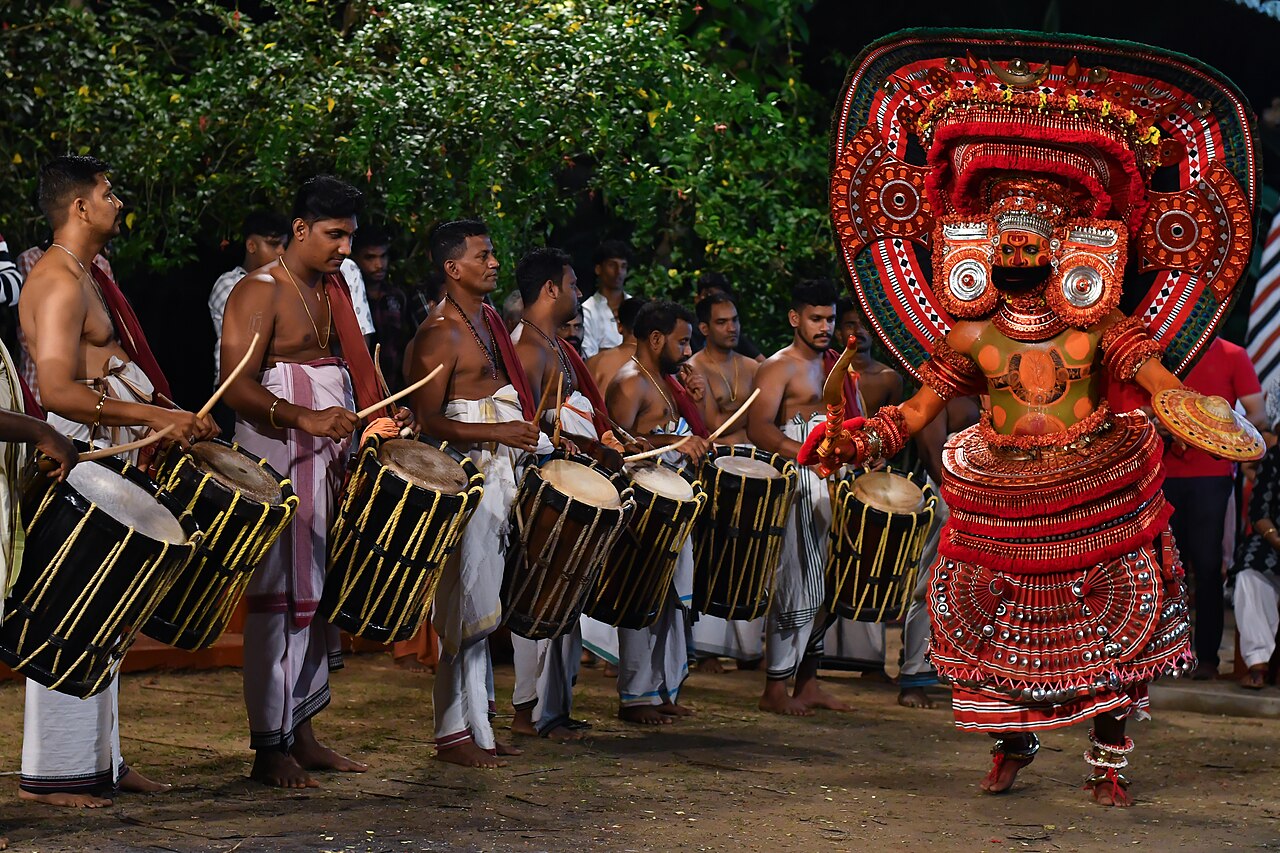
- Theyyam seasonAcross the border in North Malabar, Theyyam shrines hold their festivals, roughly from October to May.
- PuthariThe Kodava harvest festival, in the month of Birchyar. Families walk to the paddy field behind a lit lamp to cut the first sheaves of new rice.
Over the hills
When the gods come to dance
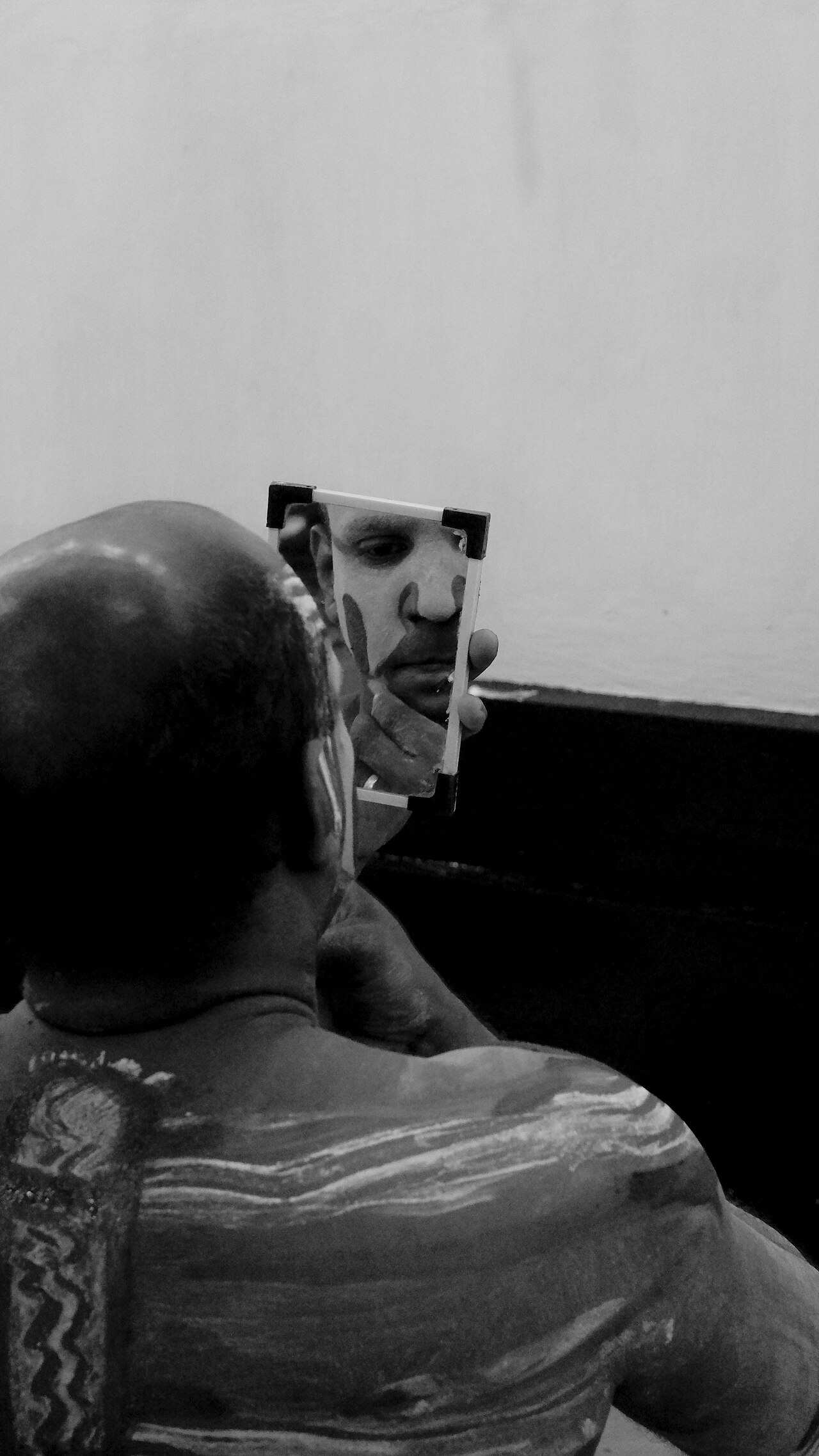
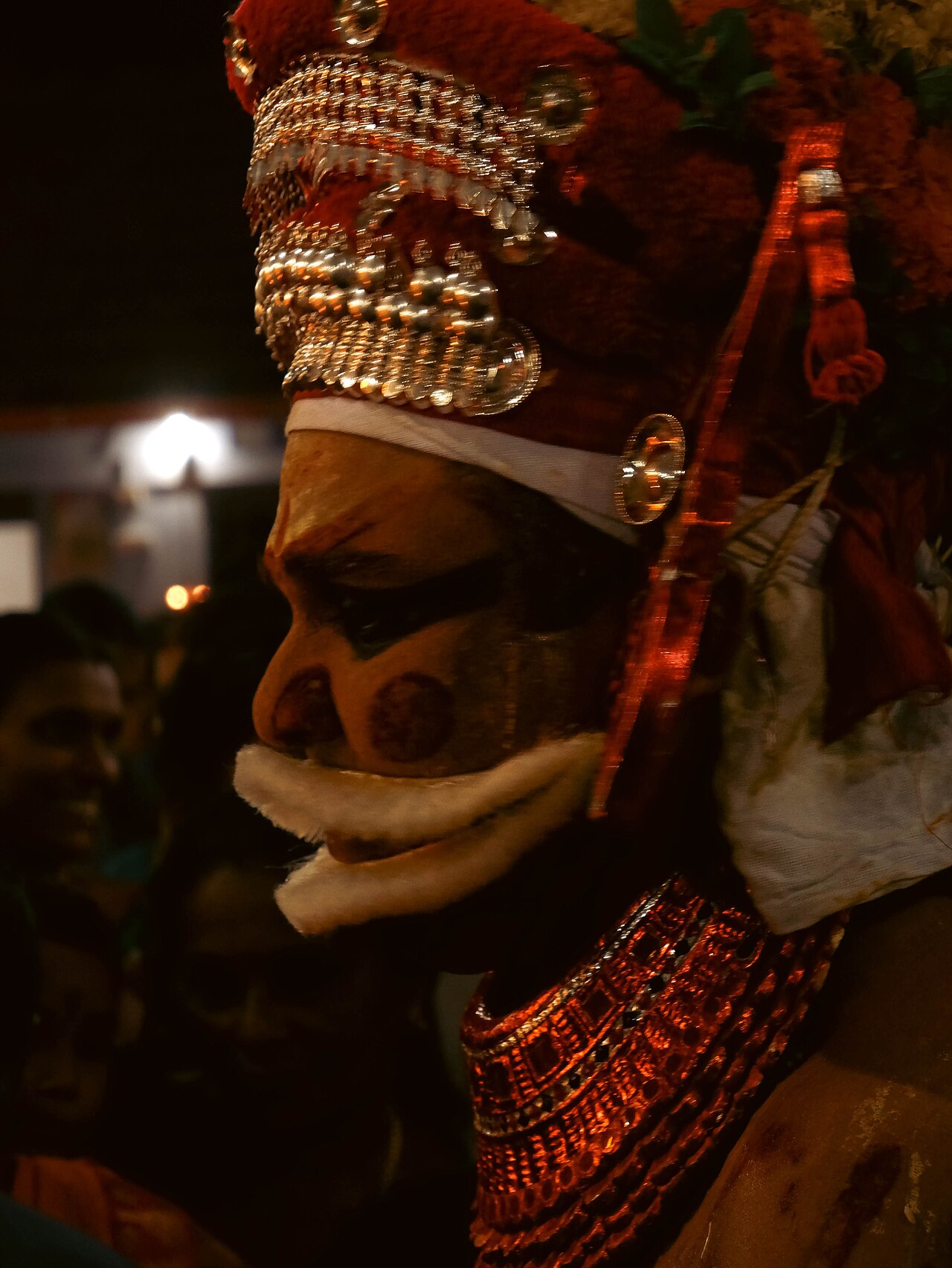
Over the hills in North Malabar, the cooler months bring Theyyam. A performer spends hours being painted and dressed, and then, to the sound of chenda drums, becomes the deity. Devotees come close to speak with the god and receive a blessing.
Muthappan is worshipped this way, not through an idol. His story begins near Eruvessy, in the hills of Kannur that rise towards Kodagu, and his shrines, the madappuras, are found in Kannur, Kasaragod and Kodagu. At Parassinikadavu, the best-known of them, the Muthappan Theyyam is performed almost every day, and everyone who comes is fed, whatever their caste or faith.
Each shrine sets its own Theyyam dates. If you would like to see one during your stay, ask us and we will help you find the nearest.
Where you stay
Why Samarasa, why Ammathi
Samarasa began at Ammathi, chosen not for convenience but for character. A place where many ways of living have learned to share the same hills seemed the right home for a resort named after harmony.
We hire and source locally first. So the people who welcome you grew up in this mix of languages too. Ask them where they're from. It is rarely a short answer.
Photographs from Wikimedia Commons, used under the licences shown with each one.